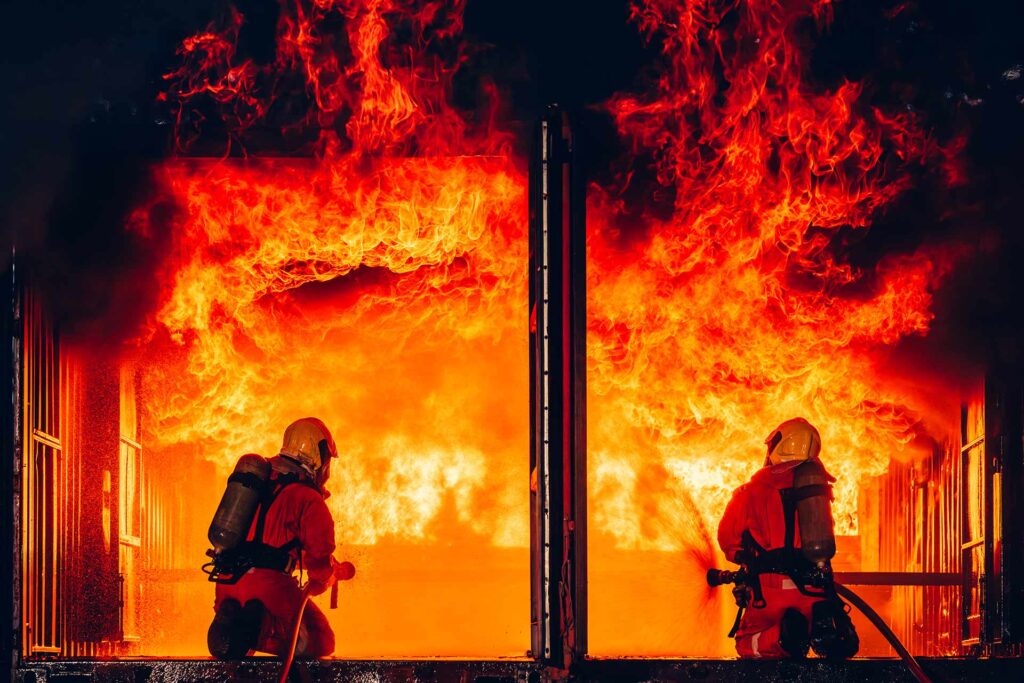
A commercial kitchen fire can spread in seconds. That is exactly why a dependable kitchen fire suppression system is one of the most important investments a restaurant, hotel, or food business can make. These systems sit above your cooking line, watching for heat spikes near fryers, grills, and stovetops, then release a suppression agent the moment a flare up starts. Whether you manage a small diner or a large commercial kitchen, understanding how a kitchen fire suppression system works, and why routine kitchen hood inspections matter, can protect your staff, your customers, and everything you have built. This guide breaks it all down in simple, practical terms.
What Is a Kitchen Fire Suppression System?
A kitchen fire suppression system is an automatic safety setup installed directly above cooking appliances such as fryers, griddles, ranges, and charbroilers. Small nozzles connected to a tank of suppression agent sit inside the exhaust hood. When a fire starts, heat sensitive links or detectors trigger the system automatically, releasing the agent, cutting off the fuel or gas supply, and smothering the flames within seconds.
Most commercial kitchens are required to install these systems under fire codes such as NFPA 96, along with local building regulations. A properly installed system also includes a manual pull station near the exit, so staff can trigger suppression by hand if needed.
Why Every Commercial Kitchen Needs Fire Protection
Grease fires spread fast, and ordinary water will not put them out, in fact it can make things worse. This is why working with an experienced fire protection company matters so much. A qualified fire protection company designs, installs, and maintains suppression systems that match your kitchen layout, cooking equipment, and local fire code requirements.
Beyond safety, insurance providers usually require proof of a working suppression system before covering a commercial kitchen. Skipping this step can mean higher premiums, denied claims, or even a forced shutdown after an inspection.
The Role of Kitchen Hood Inspections in Fire Prevention
Grease builds up inside exhaust hoods and ductwork every single day a kitchen operates. Left unchecked, this buildup becomes fuel for a fire. Regular kitchen hood inspections remove grease deposits, check that fans and ductwork are clear, and confirm the suppression system nozzles are not blocked.
Under NFPA 96, kitchens should schedule kitchen hood inspections every three, six, or twelve months, depending on how much cooking volume the kitchen handles. High volume kitchens, such as fast food restaurants, generally need inspections every three months, while lower volume kitchens can often go longer between visits.
Clean Agent Fire Suppression: A Modern Alternative
How Clean Agent Fire Suppression Works
Clean agent fire suppression uses a gaseous agent instead of a wet chemical spray. The agent absorbs heat and displaces oxygen around the fire, extinguishing it without leaving behind a wet, corrosive residue. This makes clean agent fire suppression a popular choice for kitchens with sensitive electronics, server rooms near the cooking area, or spaces where cleanup time matters.
Wet Chemical or Clean Agent Fire Suppression: Which One Is Right for You?
Wet chemical systems remain the industry standard for cooking line protection because they cool grease fires effectively and are budget friendly. Clean agent fire suppression, on the other hand, works well for adjacent equipment areas that cannot tolerate chemical residue. Many kitchens use both, wet chemical over the cooking line and clean agent fire suppression for nearby electrical rooms.
Step by Step Guide: How a Kitchen Fire Suppression System Works
- Heat detection: Sensors positioned above cooking equipment detect an unusual rise in temperature.
- Automatic activation: Once the heat crosses a set threshold, the system triggers without anyone needing to press a button.
- Fuel and gas shutoff: A mechanical or electrical shutoff cuts gas or electricity to the cooking equipment, stopping the fuel source instantly.
- Agent discharge: Wet chemical or clean agent fire suppression is released through nozzles aimed at the hood, plenum, and cooking surfaces.
- Manual backup: If automatic detection fails or staff spot a fire early, a manual pull station near the kitchen exit can trigger the same response.
- Post activation service: After any discharge, the system must be inspected, recharged, and recertified by a licensed technician before the kitchen reopens.
How to Choose the Right Fire Protection Company
Not every provider offers the same level of service. When comparing a fire protection company, look for:
- State licensing and NFPA 96 certified technicians
- Experience with your specific type of cooking equipment
- Fast emergency response times
- Clear, written service and maintenance contracts
- Positive reviews from other restaurant owners in your area
A trustworthy fire protection company should also handle kitchen hood inspections, fire extinguisher sales, and fire safety inspection visits under one roof, saving you the hassle of managing multiple vendors.
Fire Safety Inspection Checklist Every Business Owner Should Know
A thorough fire safety inspection covers more than just the suppression system. Before your next visit, check that you have:
- A current suppression system service tag that has not expired
- Fully charged, unblocked fire extinguishers
- Clear exit routes and illuminated exit signs
- Working smoke detectors and fire alarms
- Clean, grease free exhaust hoods and ducts
Staying ahead of a fire safety inspection helps you avoid fines, pass local health department reviews, and keep your restaurant open without interruption.
Fire Extinguisher Sales: What Every Kitchen Should Stock
Commercial kitchens need more than a single extinguisher by the door. Because grease and oil fires behave differently from ordinary fires, kitchens should stock Class K extinguishers near the cooking line, specifically designed for high heat cooking oil fires. A general ABC extinguisher should also be available for electrical or paper based fires elsewhere in the building.
Reputable fire extinguisher sales providers will also handle annual inspection tags, recharging, and replacement, so you are never caught with an expired unit during a fire safety inspection.
Finding Reliable Fire Protection Services Near Me
Searching for fire protection services near me should bring up local, licensed providers who understand your city’s fire codes, not a national call center. When comparing fire protection services near me, ask about response time, on site technicians, and whether they offer bundled packages covering suppression systems, kitchen hood inspections, and fire extinguisher sales together.
NGC Fire and Safety offers exactly this kind of local, full service support, from installing a kitchen fire suppression system to routine fire safety inspection visits.
Frequently Asked Questions
1. How often should a kitchen fire suppression system be inspected?
Most kitchen fire suppression systems need a professional inspection every six months, in line with NFPA 96 guidelines. Kitchens with heavy grease production may need more frequent checks.
2. What is the difference between wet chemical and clean agent fire suppression?
Wet chemical systems spray a liquid agent that cools grease fires and leaves a residue, while clean agent fire suppression uses a gas that leaves no residue and suits sensitive equipment areas.
3. How often should kitchen hood inspections be scheduled?
Kitchen hood inspections are typically required every three months for high volume kitchens, every six months for moderate use, and every twelve months for low volume kitchens, per NFPA 96.
4. What type of fire extinguisher does a commercial kitchen need?
Commercial kitchens need a Class K fire extinguisher for cooking oil and grease fires, along with a standard ABC extinguisher for general use elsewhere in the building.
5. How do I find a reliable fire protection company near me?
Look for a licensed, NFPA 96 certified fire protection company with local experience, fast response times, and services covering installation, kitchen hood inspections, and fire safety inspection visits.
Conclusion
A kitchen fire suppression system is not just a code requirement, it is what stands between a small flare up and a shut down kitchen. Pairing the right system with regular kitchen hood inspections, a scheduled fire safety inspection, and dependable fire extinguisher sales keeps your business protected all year round. Partnering with an experienced fire protection company like NGC Fire and Safety means you get local expertise, fast response, and complete peace of mind.